Citizenship
A firm that has guided more than 3,500 Americans to European dual citizenship.
The movement of people between countries
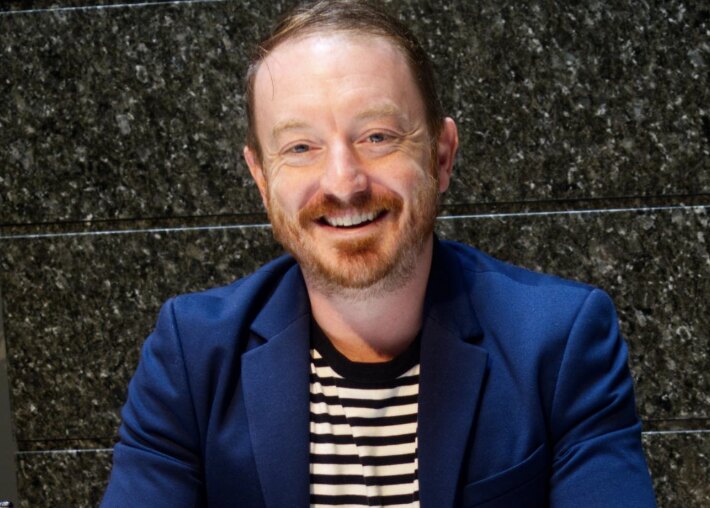
I’m Daniel Atz — an American-Luxembourgish entrepreneur, storyteller and researcher. For over a decade I’ve worked on a single subject from every side of it: the movement of people between countries.
I research the movement, I write and speak about it, and I tell its stories — in numbers when numbers say it best, on film when they don’t. And I’ve lived every step of it myself: eight countries, five languages, two citizenships. I’m not an observer of this subject. I’m a participant who decided the movement deserved a record.
A firm that has guided more than 3,500 Americans to European dual citizenship.
An independent research publication tracking US citizens abroad across 99 countries, with researchers working in 21 languages.
A documentary broadcast on national television in Luxembourg.
Data work that has put me on stages — and in print — across three continents.
I grew up in Nebraska, which is exactly the kind of place people picture when they imagine the America people leave from — and the kind of place Luxembourgers were arriving to a hundred years earlier. I studied international studies at Loyola University Chicago, spent a year in Beijing and six months in Paris, and finished with an internship at the Québec Government Delegation in Chicago working on trade and investment. After Paris I wanted desperately to stay and work in France. There was no legal pathway for me to do it. I’ve never forgotten what that felt like — and I’ve spent a good part of my career on the other side of that door, holding it open.
In New York, working with the Belgian-American Chamber of Commerce, I helped more than two hundred European founders enter the American market. That’s where I learned the loop that runs through all my work: when a founder relocates, capital follows; when capital arrives, communities form. Migration and investment aren’t two subjects. They’re one.
In 2014 I recovered Luxembourgish citizenship through ancestry, back when fewer than a hundred Americans had ever done it. Suddenly the door that had been closed to me after Paris stood open across thirty countries. I understood, concretely, what global mobility is worth — and how few people knew it was available to them.
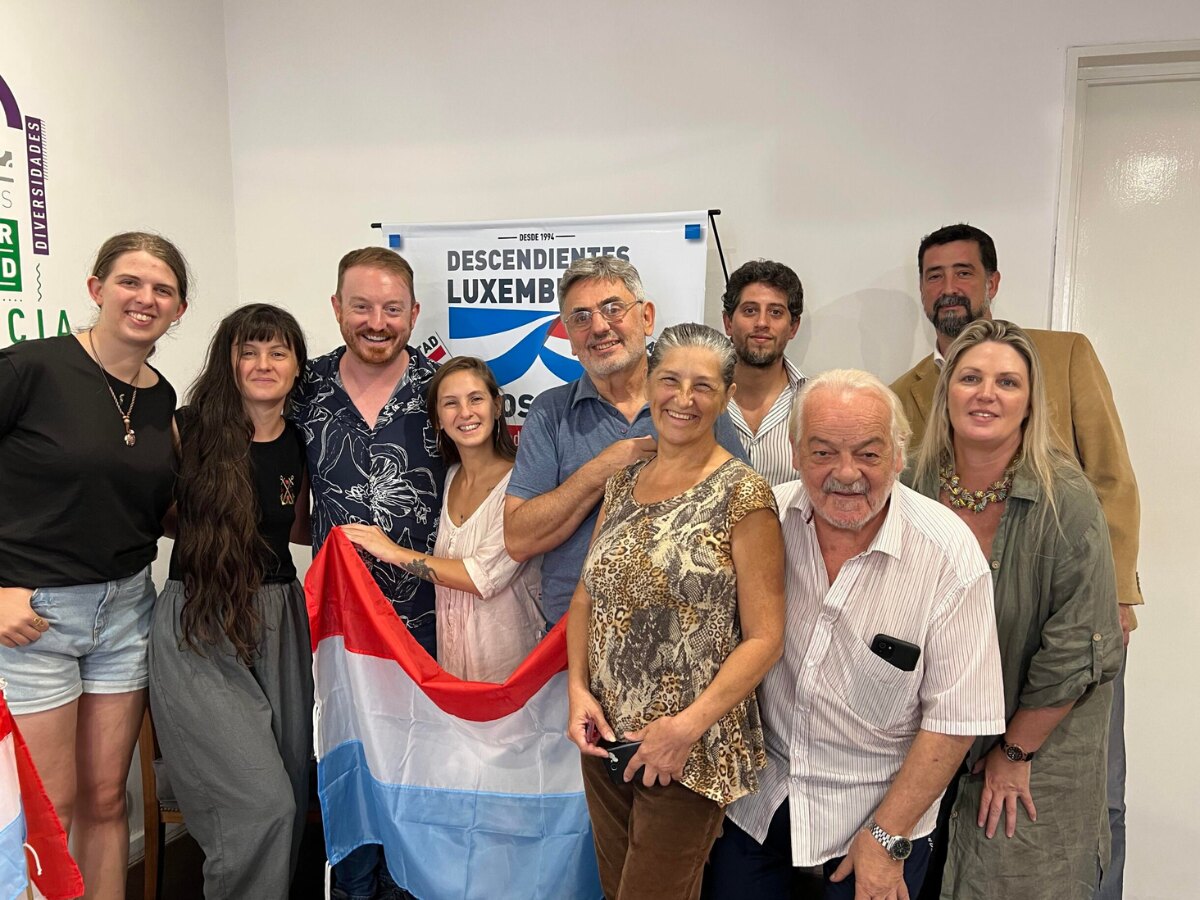
Two years later the moment arrived. The night of the 2016 election, Canada’s immigration website crashed under the weight of American traffic. I could see where things were heading, and one week later I registered LuxCitizenship. Since then the firm has guided more than 3,500 Americans through reclaiming Luxembourgish citizenship, and I’ve accompanied hundreds of them as they moved abroad.
Sit with thousands of families deciding whether to claim a second nationality and you stop seeing anecdotes. You start seeing a movement — and you start holding one of the only datasets anywhere that describes it.
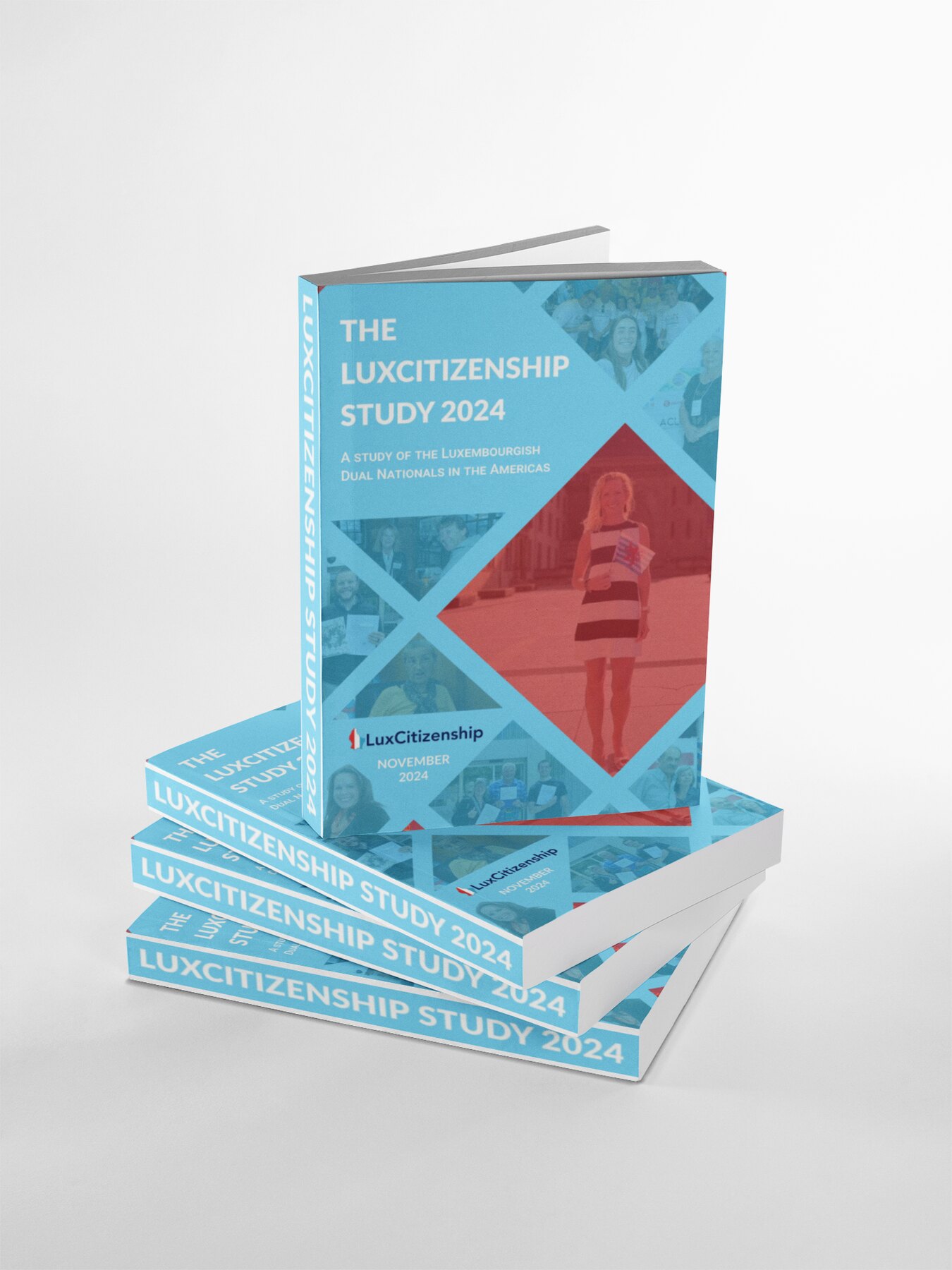
That dataset became published research: The LuxCitizenship Study, a demographic analysis of Luxembourg’s new dual citizens across the Americas that ran four editions, was profiled by the Luxembourg government’s open-data portal, and is held in the catalogue of the Centre de Documentation sur les Migrations Humaines, Luxembourg’s national migration research centre.
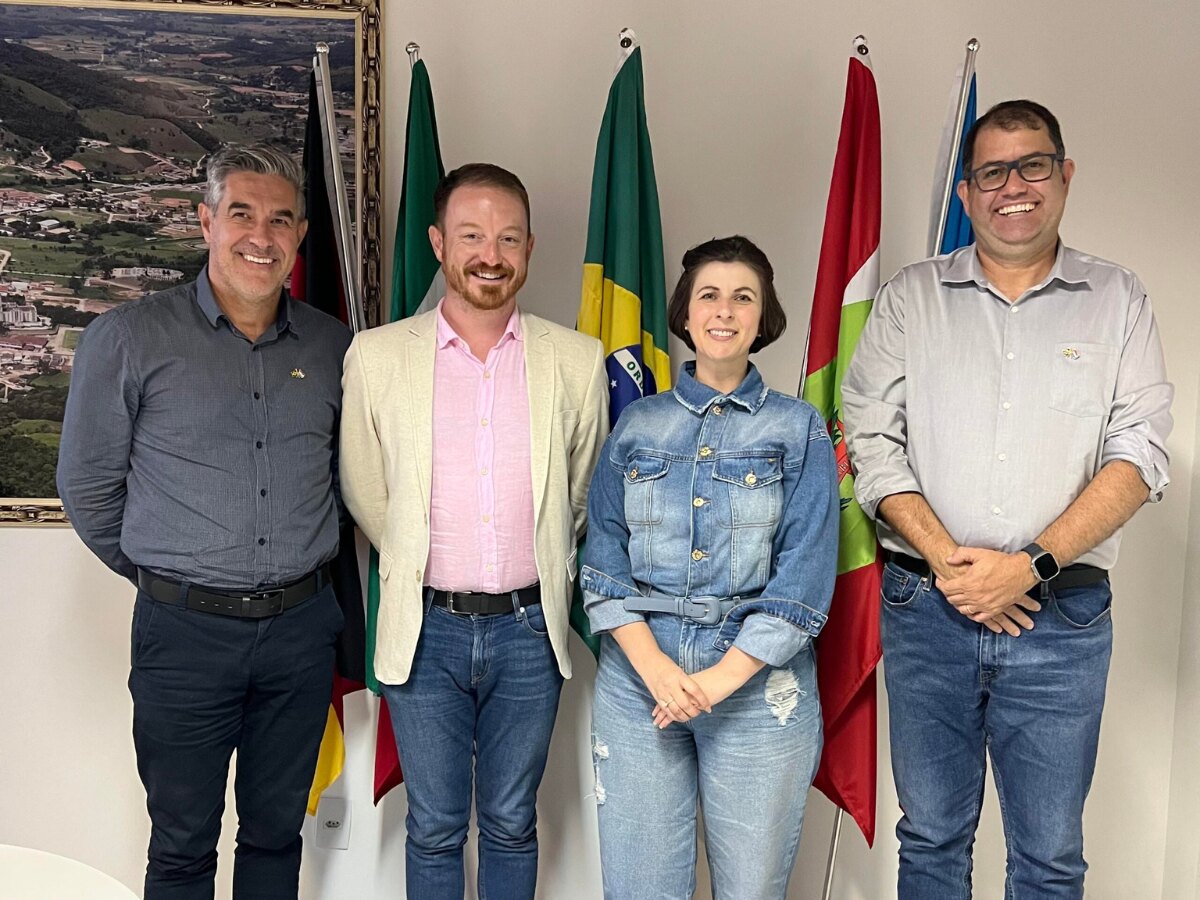
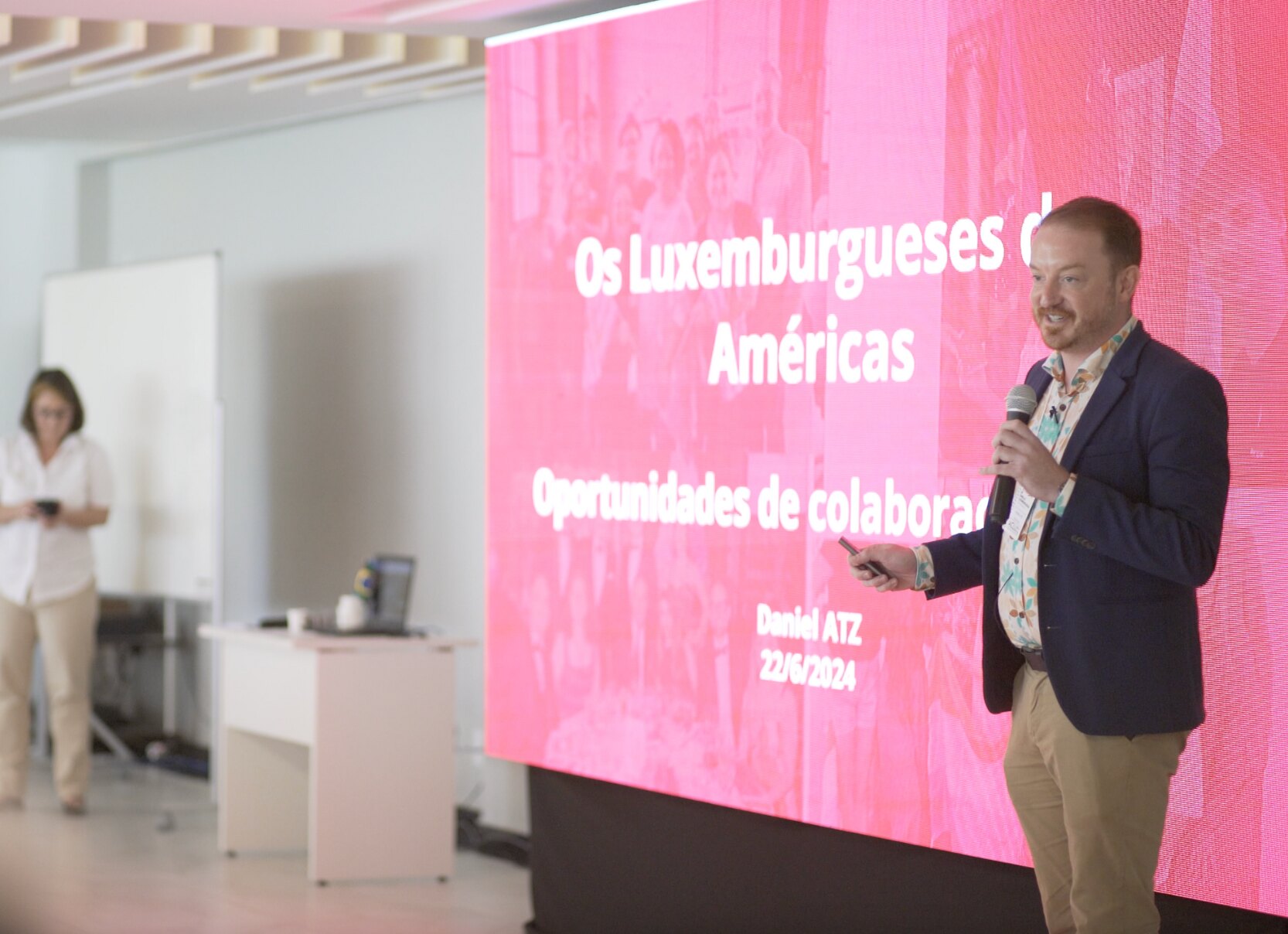
The data kept surprising me. In 2022, it showed that the largest concentration of Luxembourg dual citizens by ancestry in the world wasn’t in Chicago or Minnesota — it was Florianópolis, Brazil. I went to find out why, helped coordinate the first visit by Luxembourg politicians to their Brazilian dual citizens, and ended up on a stage speaking Portuguese to five hundred people alongside the Governor of Santa Catarina. A community that had grown from under a thousand to more than twenty thousand citizens in five years — and almost nobody outside it had noticed.
That’s the pattern I kept hitting: enormous movements of people, hiding in plain sight, because no institution considers it their job to count.
Here’s the fact that reorganized my career: there has been no federal census of Americans abroad since 1976. The number you see in the press — nine million — has no published source. Millions of American households are asking “should I leave?” and the honest answer to “how many already have?” is: nobody knows.
So in 2025 I founded the American Emigration Revue, built on a simple proposition — if the American state won’t count its emigrants, ask the receiving states. Today AER is an independent research publication with original reporting, a weekly brief, and a continuously updated dataset covering 99 countries, produced by country researchers working in 21 languages. Sourced data, no estimates. I’m its founder and editor-in-chief, and I keep it deliberately separate from my commercial work — it’s a publication, not a funnel.
Numbers explain who moves. They can’t explain what leaving does to the generations that come after. For that I make films.
Lëtzebuerger an Argentinien (Seguimos Siendo, 2025), which I directed and produced through Connaissance Films, follows the Luxembourgish families who emigrated to Argentina in the 1800s — and their descendants, still carrying an identity everyone else forgot. It’s my own story, run through someone else’s century. It premiered at Ciné Utopia as Luxembourg’s selection for European Arthouse Cinema Day, was broadcast on RTL, and is believed to be the first film written primarily in Spanish and Luxembourgish. More about the film →
I’ve never studied migration from a desk. In 2025 I began Brazil’s startup investor residency process myself — and got the full experience: months of delays, three requests for evidence, conflicting advice from every direction. The approval finally appeared in the public tracking system just past midnight on January 2, 2026, while I was flying home from Mexico City hours after a 6.2 earthquake shook the airport. Six weeks later an officer in São Paulo processed my registration in twenty minutes.
Then came the moment that told me more about global mobility than any dataset: I walked into a Brazilian bank with my residency paper, and they opened me an account in fifteen minutes. After seven years in Europe of being turned away from dozens of banks because of FATCA — as a dual citizen — Brazil just said yes. Weeks later I had a home loan in Florianópolis that everyone had told me foreigners couldn’t get. That’s why I build StartBrazil: I document the doors that are actually open, because I’ve walked through them.